
How to Seal a Concrete Driveway (MN Homeowner Guide)
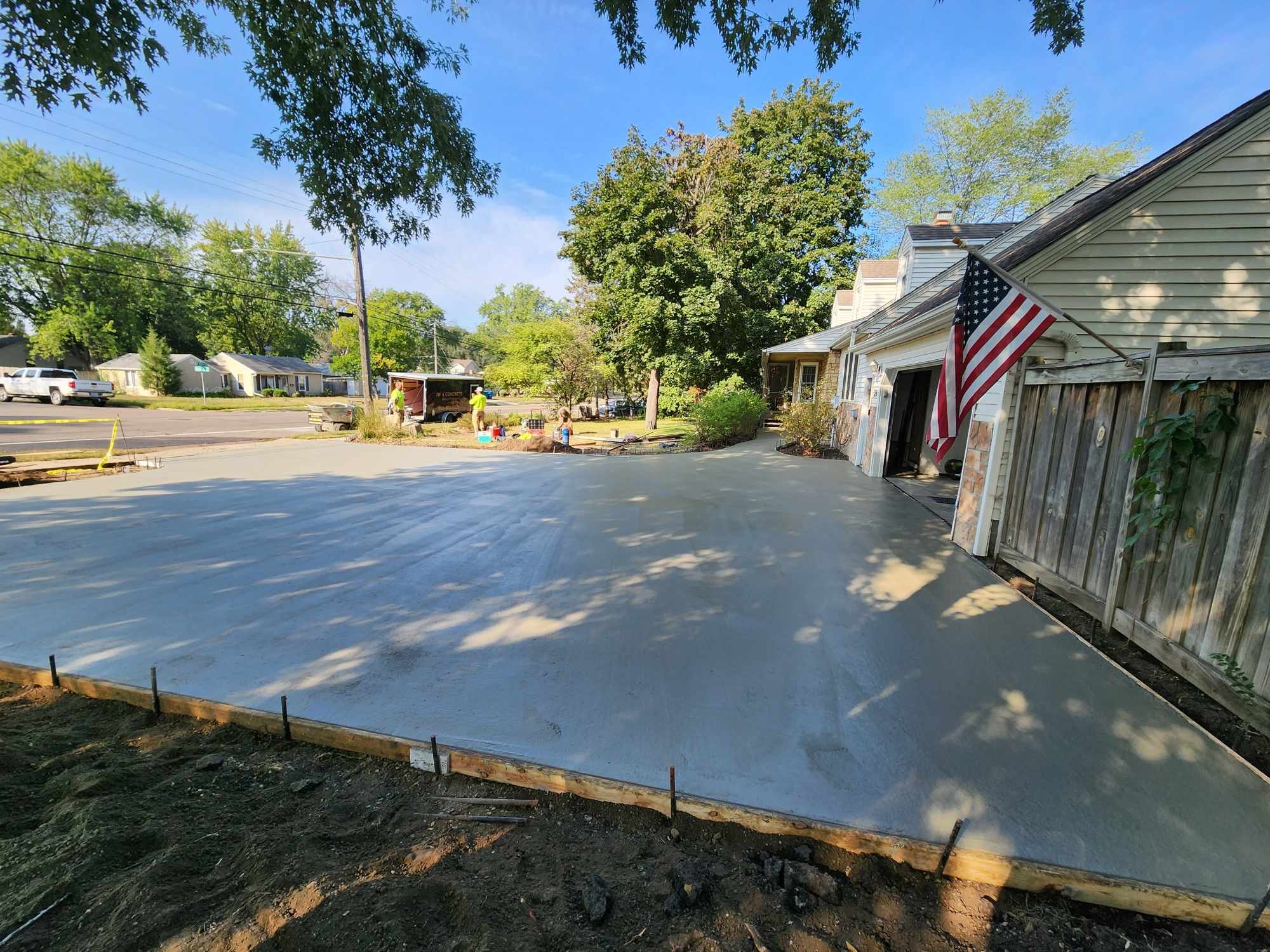
If you've got a concrete driveway in Minnesota, sealing it isn't optional — it's how you protect your investment.
Minnesota's climate is one of the hardest on concrete in the country. Between road salt, freeze-thaw cycles, and temperature swings that can span 100+ degrees across a calendar year, your driveway takes a beating. A quality sealer is what stands between that punishment and the concrete underneath.
Here's what you need to know.
Why Sealing Matters in Minnesota
Concrete is strong, but it's not impermeable. It has small pores and capillaries throughout the slab that can absorb water, salt, and other damaging materials. In a Minnesota winter, that's a problem.
Here's the cycle that causes damage: moisture gets into the slab, temperatures drop below freezing, that moisture expands as it turns to ice, and that expansion creates internal pressure. Repeat that process dozens of times per winter and you get surface scaling, pitting, and eventually deeper cracking.
Road salt makes it worse. Salt lowers the freezing point of water, which means more freeze-thaw cycles on the surface. It also chemically attacks the concrete itself over time.
A sealer closes off those pores. It creates a protective barrier that prevents moisture and salt from penetrating the slab, dramatically slowing the damage cycle.
When to Seal New Concrete
If you just had a new driveway poured, you need to wait before sealing. Fresh concrete needs to complete its initial cure — at least 28 to 30 days — before a topical sealer goes on. Sealing too early traps moisture in the slab, which interferes with the curing process and can cause long-term strength issues.
At JW Concrete, we apply Ultimate Barrier sealer to every new driveway before we leave the site. We time it correctly as part of the install process — you don't need to worry about scheduling a separate sealing appointment for a brand-new pour.
When to Reseal Existing Concrete
For driveways already in place, the general recommendation is to reseal every 2 to 3 years. The actual timeline depends on how much traffic your driveway sees, how much salt exposure it gets, and what type of sealer was previously applied.
The easiest field test: pour a small amount of water on the surface. If the water beads up and sits on top, your sealer is still doing its job. If the water soaks in and darkens the concrete, it's time to reseal.
Other signs it's time: the surface looks dull or faded, you're seeing light surface scaling or pitting, or it's been more than 3 years since the last application.
What JW Concrete Uses: Ultimate Barrier
Not all sealers are created equal. The products available at hardware stores are typically lower-concentration, shorter-lasting formulations designed for easy consumer application. They do the job for a season or two, but they're not what a professional uses.
We use Ultimate Barrier — a penetrating sealer designed for the specific demands of northern climates. It goes deeper into the concrete surface than topical sealers, forms a stronger bond, and lasts longer. It also provides better resistance to the chloride intrusion from road salts that standard sealers let through.
The difference shows up over time. Driveways sealed with professional-grade product simply hold up better through Minnesota winters.
DIY vs. Professional Sealing: The Honest Answer
You can seal a concrete driveway yourself. It's not technically complicated — clean the surface, let it dry fully, apply the sealer with a roller or sprayer, let it cure. Most homeowners can handle it.
The tradeoffs:
Product quality. Consumer-grade sealers from hardware stores work, but they're not the same formulation as professional products. You're applying what's available retail, not what the industry uses.
Surface prep. The biggest variable in a sealing job is how well the surface is cleaned before application. Any oil stains, dirt, or existing failed sealer left on the surface will prevent proper adhesion. Professional prep makes a real difference.
Application consistency. Uneven application leaves thin spots that fail faster. Professional equipment applies more evenly than a standard paint roller.
If you want to DIY it, it's a reasonable project for a homeowner who's willing to do the prep work right. If you want it done to the same standard as the original install — and you want it to last — professional application is worth it.
Signs Your Driveway Needs Resealing Now
Water soaks in instead of beading on the surface
The concrete looks lighter, chalky, or washed out
Surface scaling or light pitting is visible
It's been 3+ years since the last seal
You've had a harsh salt winter and haven't resealed since
Frequently Asked Questions
Do you need to seal a concrete driveway?
In Minnesota, yes. Sealing isn't strictly required for concrete to function, but without it, freeze-thaw cycles and road salt will accelerate surface deterioration significantly. A sealed driveway lasts longer and looks better.
How often should you seal a concrete driveway in Minnesota?
Every 2 to 3 years is the standard recommendation. High-traffic driveways or those with heavy salt exposure may benefit from annual resealing.
How long after pouring new concrete can you seal it?
Wait at least 28 to 30 days after a new pour before applying a topical sealer. At JW Concrete, we handle the initial sealing as part of the install.
What is the best concrete sealer for Minnesota winters?
A penetrating sealer with good chloride-ion resistance performs best in cold climates with heavy salt use. We use Ultimate Barrier for its depth of penetration and long-term durability in northern conditions.
Already due for a reseal — or thinking about a new driveway? JW Concrete handles both. We seal every new install and offer resealing services for existing concrete. Get your free estimate today. Serving Minneapolis, St. Paul, and the Twin Cities metro.