
The Real Cost of Waiting to Replace Your Driveway
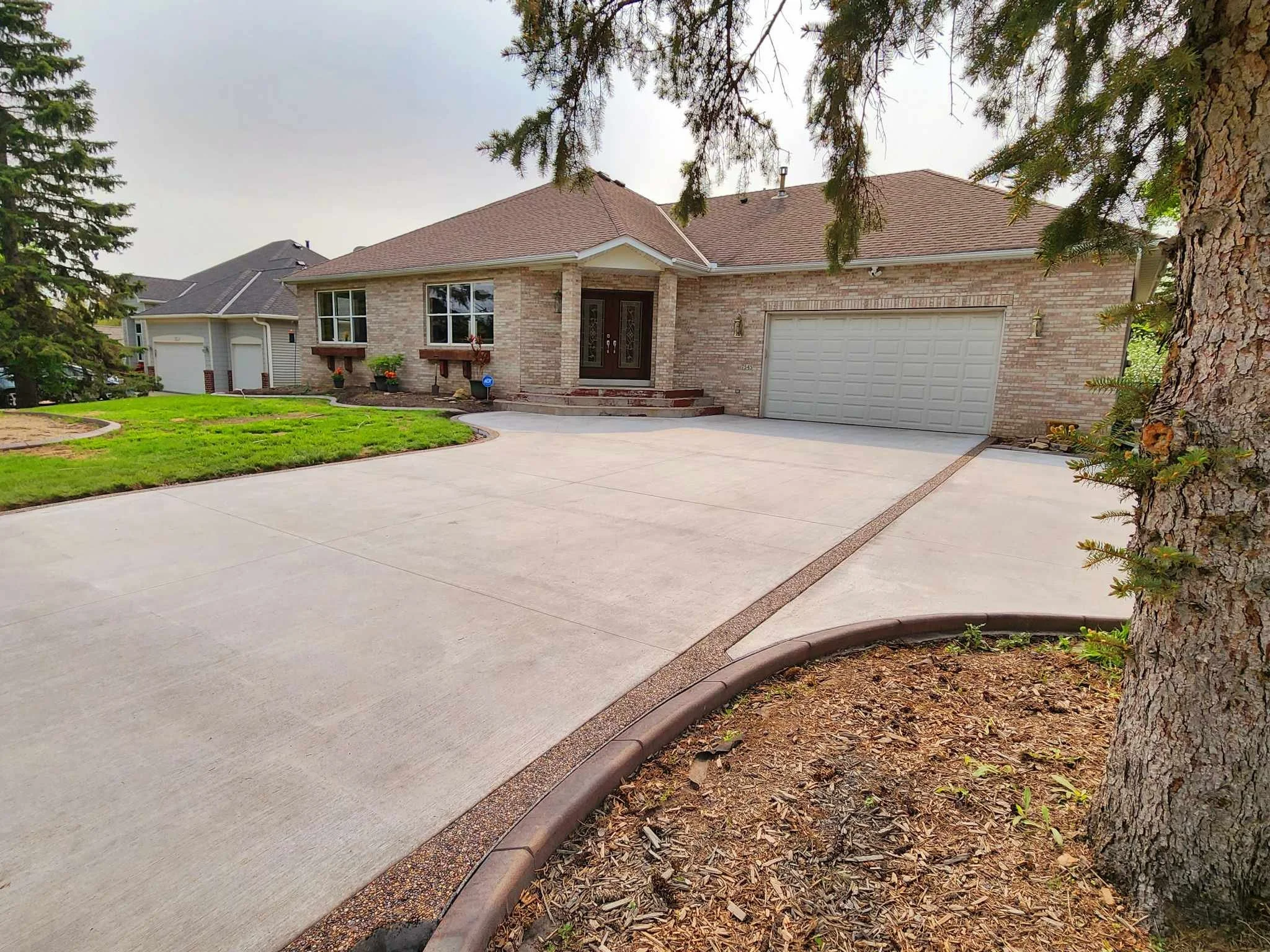
Putting off a driveway replacement feels like the financially responsible move. Nothing's falling apart. You can still park on it. Spring feels like a more natural time to deal with it.
The problem is that a driveway in decline doesn't hold its position through winter. It gets worse. And in Minnesota, it gets worse faster than almost anywhere else in the country.
Here's what waiting actually costs—and why right now, while fall is still here, is often the smarter window than you'd expect.
How Small Problems Compound Over a Minnesota Winter
A crack that looks manageable in September becomes a real problem by April. Here's the cycle:
Water finds its way into the crack. Temperatures drop below freezing—which happens dozens of times per Minnesota winter. That water expands as it freezes, forcing the crack wider from the inside. Temperatures rise, the ice melts, and water works deeper into the slab and base. The cycle repeats.
By the time the ground thaws in spring, a crack that was a quarter inch wide is now three-quarters of an inch. A section with minor settling has dropped further. Low spots that collected a little water are now collecting a lot.
This isn't gradual, even-paced deterioration. Freeze-thaw damage is compounding. Every cycle does more damage than the one before it, because the entry points keep getting bigger.
The Hidden Costs of Waiting
The most visible cost of waiting is a bigger repair or replacement bill. But there are others.
A Larger Scope at Replacement
A driveway replaced before significant base damage has been done is a more straightforward job. A driveway replaced after multiple winters of compounding damage may require deeper excavation, more base material removal and replacement, and additional drainage correction. That adds to the scope—and the cost—of the work.
Safety Risks
An uneven driveway is a trip hazard. A low spot that collects water becomes a sheet of ice. Cracks that catch a heel or a wheel are liabilities. These aren't hypothetical—they're the predictable result of deferred maintenance on a deteriorating surface.
Curb Appeal and Home Value
A cracked, uneven driveway is one of the first things a potential buyer or appraiser notices. It signals deferred maintenance on the whole property. Replacing it is one of the higher-return exterior investments a homeowner can make—not just aesthetically, but in terms of how the property is perceived and valued.
Why Fall Is Still a Good Window
There's a common assumption that spring is the right time for a driveway replacement. The reality is that fall—specifically early-to-mid October in Minnesota—is often the better window.
Here's why: concrete cures through a chemical reaction that needs temperature to function. When daytime temperatures are still in the 40s and 50s and nighttime lows haven't dropped below freezing consistently, a fall pour cures correctly. The slab reaches full strength before the deep freeze sets in.
A driveway replaced in October has a full winter of hardened, sealed, fully-cured concrete behind it before it faces its first real Minnesota freeze-thaw season. That's a better starting position than a spring pour that goes into its first summer still building strength.
For a full breakdown of the seasonal timing, see our guide on the best time of year to replace a concrete driveway in Minnesota.
What Happens If You Wait Until Spring
Waiting until spring isn't the wrong choice in every situation. But it's worth understanding what you're choosing.
You're giving your driveway another full Minnesota winter to deteriorate. If the base has any instability—soft spots, drainage issues, sections that have already shifted—another freeze-thaw season will make it worse. That means more base correction work at replacement time.
You're also giving yourself less scheduling flexibility. Spring is the busiest window for concrete contractors in the Twin Cities. Crews fill up fast. Homeowners who have their estimate done now and schedule early are the ones who get their preferred timing. Homeowners who wait until May are often scheduling for July.
If you've already been telling yourself you'll deal with it in spring—this is worth thinking about.
Frequently Asked Questions
-
It depends on timing and conditions. Early-to-mid October is typically still a workable window. Late October gets dicey as overnight lows become more unpredictable. The key factors are daytime temperatures staying above 40°F during the pour and the days following, and consistent overnight lows staying above freezing through the initial cure. We assess conditions at the time of the estimate and won't schedule a pour we can't stand behind.
-
If your driveway has isolated surface cracks on a sound base, waiting a season may be a reasonable call. If sections have shifted, water pools on the surface, or the same areas have been patched before and failed—you're not really waiting for spring, you're giving winter another season to make the problem bigger. Get an assessment now and make the call with full information.
-
Yes, in several ways. Appraisers factor in exterior condition, and a visibly deteriorating driveway is a flag. Buyers notice it. More practically, it signals that other deferred maintenance may exist on the property. A new concrete driveway consistently ranks among the better exterior investments in terms of perceived value and return.
Don't Wait for Spring to Find Out What You're Dealing With
The fall window is shorter than most homeowners realize. If your driveway has been on your list, now is a better time than you think to get a straight answer on what it needs.
We offer free estimates and will tell you honestly whether replacement makes sense this fall or if waiting is fine for your situation.